Greenwich Council rules for hedge work and garden clearance: a practical guide for homeowners, landlords, and gardeners
If you are dealing with overgrown hedges, a mountain of cuttings, or a garden that has quietly become unmanageable, the rules can feel a bit murky. That is especially true in Greenwich, where hedge work and garden clearance may be affected by boundaries, wildlife, neighbours, access, and the practical reality of where waste ends up. This guide breaks down Greenwich Council rules for hedge work and garden clearance in plain English, so you can make sensible decisions without second-guessing every snip of the secateurs.
We will cover what the rules usually mean in practice, how to plan work responsibly, where people commonly go wrong, and how to keep your garden tidy without creating avoidable problems. If you are already thinking beyond the basics, it may also help to look at related services such as professional hedge trimming or broader garden maintenance support when the job has grown legs. Let's face it, a garden can go from "fine" to "how did this happen?" after one wet week in spring.
Why Greenwich Council rules for hedge work and garden clearance Matters
Hedge work and garden clearance sound simple until they touch the real world. A hedge sits on a boundary, so trimming it can affect a neighbour's light, privacy, and access. Garden clearance can generate green waste, mixed waste, or even material that needs special handling if it includes soil, timber, old fencing, or contaminated debris. In Greenwich, as in much of London, these issues matter because tidy gardens are only part of the picture. Safety, neighbour relations, responsible disposal, and local environmental care all come into play.
There is also a practical reason. If work is done badly, you can end up with damaged plants, unsightly hard edges, blocked pathways, or waste left piled up for days. A rushed clearance job in a back garden can become a mini logistics exercise if access is tight, the skip cannot fit, or the pile contains more than just leaves and twigs. That is where a bit of forethought saves time and money.
For landlords, managing agents, and homeowners in terraced streets or shared boundaries, the rules are even more relevant. A hedge that is technically "yours" may still affect someone else's property. Garden clearance after storm damage or long neglect may also need extra caution, especially if the site includes old roots, slippery surfaces, or hidden rubbish.
Expert summary: The safest approach is usually the calm one: check what is growing where, confirm what belongs to whom, protect nesting wildlife, and plan disposal before the first cut is made. That simple order prevents a lot of avoidable hassle.
How Greenwich Council rules for hedge work and garden clearance Works
Greenwich Council rules for hedge work and garden clearance are best understood as a mix of local expectations, environmental responsibility, and general legal duties rather than one single tidy rulebook. In practice, most jobs fall into a few categories: routine hedge trimming, heavy reduction, boundary maintenance, green waste removal, and full garden clearance. Each brings different considerations.
1. Hedge work
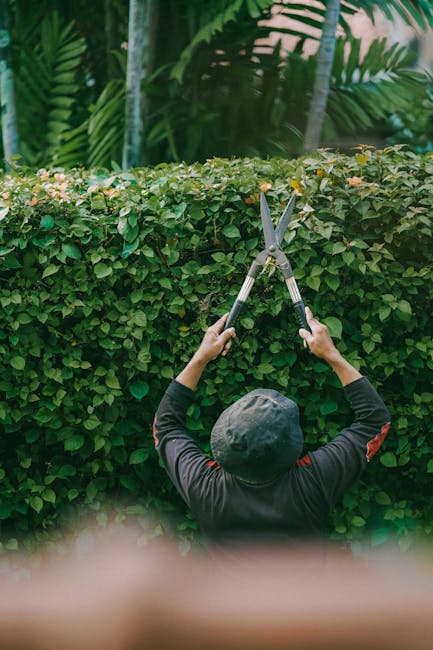
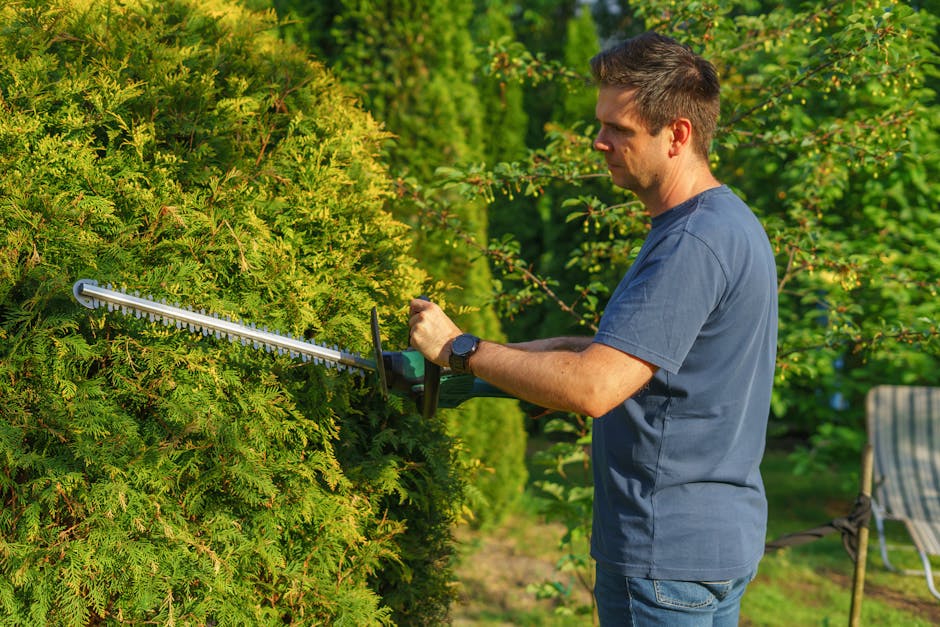
Routine hedge work usually means trimming or shaping a hedge to keep it healthy, neat, and within bounds. The key point is to avoid cutting blindly. You need to know whether the hedge is on your land, shared, or part of a boundary arrangement. You also need to consider whether it is near a road, pavement, shared access, or a neighbour's side return. If branches overhang someone else's land, you should deal with that carefully and politely. A quick conversation now is better than a grumpy note through the letterbox later.
If the hedge is substantial or mature, trimming may also overlap with tree-related issues. For example, a hedge with woody stems, large trunks, or protected species nesting nearby can move beyond simple garden maintenance. In those cases, involving a qualified tree surgery service can be the safer route.
2. Garden clearance
Garden clearance can range from a light tidy-up to a full reset. Light clearance might include leaves, cuttings, weeds, and broken pots. More intensive work can involve bramble removal, overgrown beds, old timber, dismantled screens, or rubbish that has been left to build up. The more mixed the waste, the more careful you need to be about sorting and removal.
There is a big difference between a sack of hedge clippings and a garden full of mixed debris. Green waste is often recyclable or compostable. Mixed waste may need separate disposal. If you throw everything in one heap, you can make the process more expensive and less eco-friendly.
3. Council and local considerations
While this article does not pretend to replace council guidance, a few practical patterns are common across London boroughs. You should always check whether the work affects public pavements, road edges, access routes, or shared walls. If your hedge or clearance work produces material that blocks a footpath, that is a problem even if the garden itself is private. You should also avoid leaving waste where it could blow, rot, or attract pests.
Waste management is a major part of compliance. A good clearance is not complete until the cut material is removed, the site is safe to walk through, and any sharp offcuts or hidden hazards have been dealt with properly. If the job is large, some homeowners choose to pair clearance with lawn mowing or a broader gardening service so the whole space is reset in one visit.
Key Benefits and Practical Advantages
Following the right approach to hedge work and garden clearance is not just about avoiding complaints. It gives you a better garden, a safer property, and fewer surprises.
- Cleaner appearance: Neat hedges and cleared beds instantly make a property look cared for.
- Healthier growth: Proper trimming encourages balanced growth instead of ragged, stressed shoots.
- Less neighbour friction: Good boundary manners prevent arguments over overhang, mess, and access.
- Safer movement: Clearing debris reduces slip hazards, trip risks, and hidden obstacles.
- Better waste handling: Sorting green waste properly can reduce disposal headaches.
- Improved long-term upkeep: Regular work is easier and cheaper than a huge recovery job later.
There is also a subtle benefit people underestimate: mental relief. A tangle of hedges and weeds creates a background stress you stop noticing until it is gone. Then the garden feels breathable again. That little exhale matters.
For homes that also use outdoor spaces for decking, seating, or entertaining, a tidy perimeter helps the whole garden feel intentional. Sometimes a finishing pass on the paving or a follow-up patio cleaning job makes the difference between "cleared" and "actually lovely".
Who This Is For and When It Makes Sense
This topic is relevant to more people than you might expect. If you own a small terrace with a front hedge, manage a shared rear boundary, or maintain a bigger family garden, the same basic principles apply. The scale changes, but the need for planning does not.
Homeowners
Homeowners usually need this guidance when hedges start blocking light, spreading into paths, or growing beyond what they can safely manage from a ladder or with hand tools. If the garden has been left alone for a season or two, clearance becomes more strategic than cosmetic. You may need to decide what to save, what to prune back, and what to remove entirely.
Landlords and letting agents
For rental properties, the main concern is usually presentation and duty of care. A neglected hedge or overgrown garden can affect viewings, tenant satisfaction, and the general condition of the property. It can also create complaints if leaves, branches, or cuttings spill into shared areas.
Older residents or busy households
If time, mobility, or equipment is limited, it makes sense to bring in help sooner. A modest maintenance plan is often easier than trying to rescue a garden in one frantic weekend. We have all had those plans. They rarely end with tea and triumph.
People preparing for a sale or move
Garden presentation matters when a property is going on the market. Clear lines, tidy hedges, and a waste-free outdoor space make photographs look better and can help buyers picture themselves using the garden properly. Even a modest tidy-up can have a strong visual payoff.
Step-by-Step Guidance
If you want to stay on the sensible side of Greenwich Council rules for hedge work and garden clearance, the safest path is to work methodically. Rushing is where mistakes happen.
- Inspect the area carefully. Walk the boundary, look for overhang, check for hidden rubbish, and note anything that might be damaged by trimming.
- Identify what belongs where. A hedge on a boundary may be shared in practice even if you have always treated it as yours. Check before cutting hard.
- Look for signs of wildlife. If there are nests, disturbed areas, or birds repeatedly entering the hedge, pause and assess. Wildlife protection is not something to guess at.
- Choose the right level of work. A light shape-up, a reduction, or a full clear-out are not the same job. Decide which one you actually need.
- Plan waste removal first. Bags, piles, wheelbarrows, or collection arrangements should be ready before cutting starts.
- Use safe techniques. Stable footing, sharp tools, and a clear working area reduce injury and damage.
- Sort material as you go. Keep green waste separate from timber, broken pots, and general rubbish where possible.
- Finish with a site check. Look for thorny cuttings, hidden branches, slippery patches, and debris around gates or paths.
A simple example: if you are clearing a narrow back garden after winter, start at the access point and work inward. That way you do not trap yourself behind a pile of branches, which sounds obvious until you are standing in one. If the job involves larger overgrowth, consider whether landscaping support or even fencing work is needed once the clearance is done. Sometimes the "clearance" reveals a second job underneath. Nature is polite like that.
Expert Tips for Better Results
Good hedge work and clearance is rarely about brute force. It is about timing, judgement, and knowing when not to cut something back too hard.
- Trim for structure, not just shape. A hedge looks best when it is healthy underneath, not simply clipped on the surface.
- Take less off than you think at first. You can always remove more, but you cannot add it back.
- Work in dry conditions when possible. Wet leaves, slippery patios, and heavy clippings make the job messier and less safe.
- Clear in stages if needed. Large gardens often benefit from a phased approach instead of one exhausting session.
- Keep an eye on access routes. A cleared path is part of the job, not an afterthought.
- Think about next month, not just today. A maintenance plan is usually better than repeated rescue work.
One small but useful habit: step back every so often. When you are close to the hedge, everything looks uneven. From three metres away, it may look perfectly fine. The hedge does not care about your anxiety, thankfully.
For clients who want a long-term tidy-up routine, pairing hedge care with lawn care or a seasonal tidy through garden maintenance can keep the whole site in better shape with less effort.
Common Mistakes to Avoid
Most problems come from trying to solve a garden issue too quickly. A little patience goes a long way.
- Cutting boundary hedges without checking ownership or agreement. That is a classic source of neighbour tension.
- Ignoring nesting season considerations. Wildlife checks should be part of the routine, not a bonus if you remember.
- Mixing all waste together. Green waste, soil, timber, and rubbish often need different handling.
- Leaving piles behind. A "cleared" garden that still has a heap in the corner is not really cleared.
- Over-pruning in one go. Severe cutting can leave hedges thin, stressed, or patchy.
- Using the wrong tools. Blunt blades tear growth instead of making clean cuts.
- Forgetting access and safety. Ladders on uneven ground, blocked doors, or hidden debris create avoidable risk.
Another common mistake is treating every garden like a standard job. It is not. A child-friendly plot, a pet-friendly space, or a garden built around privacy screening each needs a slightly different approach. If you want ideas for shaping outdoor areas with people or pets in mind, there are useful related guides on backyard design for children and canine-compatible gardens.
Tools, Resources and Recommendations
You do not need a van full of gear to keep a garden manageable, but you do need the right basics. The wrong kit makes even simple work feel like a bad joke.
Useful tools for hedge work
- Sharp hand shears for light shaping
- Hedge trimmers for larger, regular trimming jobs
- Gloves with decent grip
- Eye protection for flying clippings
- A sturdy ladder only where safe and appropriate
- Tarps or sheets to collect cuttings efficiently
Useful tools for clearance
- Rakes for gathering leaves and loose debris
- Pruners for smaller stems
- Wheelbarrows or garden sacks
- Heavy-duty gloves
- Spades or forks if soil or roots are involved
If you are not sure what the job needs, start with a simple assessment rather than buying lots of kit. Many people spend money on tools they use once and then forget about. It happens. A lot.
For people who prefer to outsource the heavy lifting, the most sensible route is usually a combined service rather than isolated jobs. A trusted gardening service can handle trimming, removal, and follow-up care in one flow. If the garden also needs hardscape care after clearance, you may want to plan in decking services or finishing work on paved areas. A garden looks best when the soft and hard surfaces are both in decent shape.
Law, Compliance, Standards, or Best Practice
When hedge work and garden clearance are involved, the safest approach is to think in terms of duties and good practice rather than assuming there is a single local rule for every case. In Greenwich, as elsewhere, the important issues usually include keeping public areas clear, respecting neighbours, protecting wildlife, and disposing of waste responsibly.
In practical terms, that means:
- Do not obstruct pavements, driveways, or shared entrances with cuttings.
- Do not damage trees, hedges, or property that do not belong to you.
- Check carefully for nesting birds or other wildlife before major cutting.
- Separate green waste from general rubbish where possible.
- Use safe work methods and suitable equipment.
- Keep communication open with neighbours if the work affects a boundary.
Best practice also means being realistic about the size of the job. A hedge that has not been touched in years may need a staged reduction rather than a one-day chop. A clearance job in a neglected garden may involve more than one visit. That is not failure; it is just honest planning.
If you are ever unsure whether your work could affect protected trees, boundary ownership, or a larger site issue, the sensible move is to slow down and seek professional help before cutting. That kind of caution usually pays for itself.
Options, Methods, or Comparison Table
Different gardens call for different approaches. A quick comparison can help you decide whether to do the work yourself, keep it light, or bring in help.
| Approach | Best for | Pros | Limitations |
|---|---|---|---|
| Light DIY trim | Small, healthy hedges and minor tidy-ups | Low cost, fast, straightforward | Not suitable for large or boundary-sensitive work |
| Full DIY clearance | Small to medium gardens with manageable waste | Flexible, satisfying, can be budget-friendly | Takes time, may need disposal planning, physically demanding |
| Professional hedge work | Large hedges, awkward access, precise shaping | Cleaner finish, safer on bigger jobs | Higher upfront cost |
| Professional clearance and tidy-up | Overgrown, neglected, or mixed-waste gardens | Efficient, reduces stress, handles waste better | May require a site visit and more planning |
If you already know the garden needs more than a quick sweep, a professional route is often the calmer option. Especially where privacy screening matters, a considered trim may be better than a hard reset. For people planning dense boundary planting later, the guide on growing hedge varieties for privacy is a useful companion read.
Case Study or Real-World Example
Here is a realistic example from the kind of job many Greenwich homeowners recognise. A small rear garden had a mixed hedge line along one side, a patch of weeds, leaf build-up near a shed, and old cuttings that had been left after a previous tidy-up. Nothing dramatic on its own, but together it made the space feel cramped and a bit gloomy.
The first step was not cutting. It was assessment. The hedge was checked for boundary impact, the waste was sorted into green material and mixed debris, and the clearance route was planned from the gate inward. That meant the team could keep the path open and avoid dragging cuttings across already cleared areas. Sensible, and strangely satisfying too.
Once the hedge was lightly reshaped, the garden opened up. The path felt wider, the light improved, and the back wall looked less oppressive. The owner also realised the space needed a better long-term structure, so a future improvement plan was put together. That included routine trimming, seasonal weeding, and a tidy finish to nearby features. If you find yourself in that position, you are not alone. Many gardens need a reset before they become maintainable again.
The real lesson from this kind of job is simple: clearance is not just about removing things. It is about revealing the garden's shape again. And sometimes that makes all the difference.
Practical Checklist
Use this before starting hedge work or garden clearance in Greenwich.
- Have I checked what belongs to me and what may be shared?
- Have I looked for signs of nesting birds or wildlife?
- Do I know whether the job is a trim, reduction, or full clearance?
- Have I planned where the waste will go?
- Am I clear on whether any waste is mixed and needs separate handling?
- Do I have the right tools and safe access?
- Will the work block pavements, gates, or shared areas?
- Have I told neighbours if the work may affect them?
- Is there a follow-up plan for lawn, borders, or hard surfaces?
- Do I need help from a professional team?
If you can tick most of those off with confidence, you are in good shape. If not, pause and sort the uncertain bits first. That small delay is usually worth it.
Conclusion
Greenwich Council rules for hedge work and garden clearance are easiest to handle when you treat them as a practical checklist: check boundaries, respect wildlife, plan waste removal, keep access clear, and choose the right level of work for the garden in front of you. That approach keeps you safer, keeps neighbours happier, and leaves the garden looking properly cared for rather than just "done".
For many households, the real win is not a perfect garden on day one. It is a garden that becomes manageable again. Once the hedge is tidy, the waste is gone, and the space can breathe, everything else feels easier. A small improvement today can save a much bigger headache next month.
Get a free quote today and see how much you can save.
Frequently Asked Questions
Do I need permission to trim my hedge in Greenwich?
In many routine cases, no formal permission is needed for ordinary hedge trimming on your own property. The important part is checking boundaries, keeping clear of shared areas, and making sure the work does not affect protected features or wildlife.
Can I cut back a hedge that overhangs into my garden?
Generally, overhanging growth can often be trimmed back to the boundary line, but you should be careful not to trespass onto a neighbour's land or damage the hedge unnecessarily. A polite conversation first is often the smartest move.
What counts as garden clearance?
Garden clearance usually means removing unwanted growth, leaves, branches, weeds, and general outdoor debris. It can also include old garden materials, broken items, and heavily overgrown areas that need a full reset.
Can I put hedge cuttings in my normal rubbish bin?
Small amounts may sometimes fit, but larger hedge cuttings are usually better handled as green waste. Mixed or bulky material often needs separate disposal, so it is worth planning before you start.
When is the best time to do hedge work?
That depends on the hedge type, how much work is needed, and whether wildlife is present. Light maintenance is often easier to manage during milder, dry periods, but major cutting should always be timed carefully.
What should I do if I find a nest in the hedge?
Stop work around that area. Birds and other wildlife can be protected by law, and disturbing a nest can create serious issues. If you are unsure, leave the area alone and seek advice before continuing.
How often should hedges be trimmed?
Many hedges benefit from regular trimming rather than occasional heavy cutting. The exact frequency depends on the species, growth rate, and the look you want. A maintenance routine is usually easier than big rescue jobs.
Is it better to hire a professional for overgrown gardens?
If the garden is large, tangled, awkward to access, or full of mixed waste, professional help is often the safer and faster option. It can also reduce the risk of damaging the hedge or leaving the site unfinished.
Can hedge work affect my neighbour dispute situation?
Yes, it can. Boundary hedges are one of those ordinary things that can suddenly become sensitive. Good communication and clear planning usually prevent most problems before they start.
What happens if my hedge blocks a public pavement?
That can create a safety issue, so it should be dealt with promptly. Hedges should not obstruct public access or create hazards for pedestrians, pushchairs, or people with mobility aids.
Do I need special tools for garden clearance?
Not always, but the right basics help a lot. Gloves, cutting tools, rakes, sacks, and safe access equipment make the work cleaner and less tiring. For bigger jobs, specialist tools or professional support may be more sensible.
What is the safest way to start a clearance job?
Start by walking the site, identifying hazards, checking boundaries, and planning where waste will go. Then work in a clear direction, usually from access point to back of garden, so you do not trap yourself with debris.
Can I combine hedge work with other garden tasks?
Yes, and that often makes sense. Many people combine hedge trimming with lawn care, weed removal, or general tidy-up work so the whole garden looks balanced afterwards. It is a bit more efficient, too, which never hurts.