Powis Street garden services guide for Victorian terrace yards
Victorian terrace yards can be charming, but they can also be awkward little spaces. One minute you are imagining a neat seating area, and the next you are staring at narrow access, patchy shade, stubborn paving, and a hedge that seems to grow faster than you can blink. This Powis Street garden services guide for Victorian terrace yards is here to make that feel manageable. It explains what services actually help, how to plan the work, and which decisions make the biggest difference in a compact London garden.
If your yard is small, overlooked, or split between hard landscaping and planting, the right approach matters. A good plan can turn a cramped back plot into something calm, practical, and easy to live with. To be fair, that is usually the whole game: making the space usable without overcomplicating it.
Below, you will find a clear breakdown of what Powis Street homes often need, how garden services are typically organised, and how to avoid the most common mistakes. There is also a checklist, a comparison table, and a few realistic examples from the kind of yards people actually manage day to day.
Why Powis Street garden services guide for Victorian terrace yards Matters
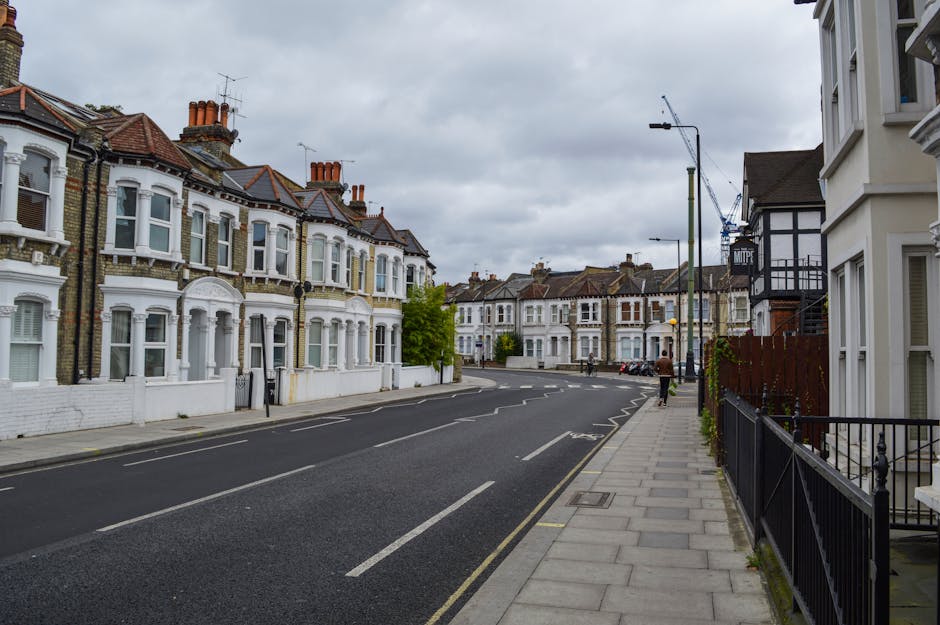
Victorian terrace yards are not the same as suburban lawns or big back gardens. They tend to be narrower, more enclosed, and heavily influenced by old brickwork, boundary walls, paving, and shade from surrounding buildings. That changes everything. Drainage behaves differently. Plants dry out or become waterlogged faster. Access for bins, tools, and maintenance can be clumsy. And because the space is often visible from the house, any untidiness is immediately obvious.
This is why a local garden services approach is useful. It is not just about cutting grass or trimming a hedge. It is about solving the practical problems that come with compact terraces: keeping routes clear, preventing moss build-up, improving light, choosing plants that do not bully the space, and making sure the yard feels like part of the home rather than a forgotten strip outside the kitchen door.
There is also a lifestyle side to it. In a busy part of town, a small private yard can be a real pressure release valve. A clean patio, a tidy fence line, and a few well-chosen containers can do more for day-to-day enjoyment than a grand but awkward garden ever could. Simple, yes. But not boring.
If you are already thinking about the bigger picture, general gardening services in Woolwich can help coordinate the different pieces, while targeted work such as patio cleaning or fencing tackles specific problems that matter in terrace yards.
How Powis Street garden services guide for Victorian terrace yards Works
The practical process usually starts with a site view of the yard as a system, not a collection of loose jobs. That means looking at access, sun and shade, drainage, planting depth, surfaces, privacy, and how the space will actually be used. Will it be a place for morning coffee? A family overflow area? A low-maintenance retreat? A little of all three? That question shapes the entire service plan.
A sensible terrace-yard service usually follows a few stages:
- Assessment - measure the yard, note trouble spots, identify what is permanent, and what can be improved.
- Priority setting - decide what needs fixing first: weeds, safety issues, broken timber, poor drainage, overgrown edges, tired paving.
- Design or maintenance plan - choose between a clean-and-maintain model or a bigger redesign with landscaping changes.
- Execution - complete the work in an order that avoids redoing tasks, such as cleaning before planting, or pruning before re-edging.
- Ongoing care - keep the space under control with regular visits or seasonal check-ins.
For a lot of terrace yards, the best results come from combining routine upkeep with a few specialist tasks. A regular garden maintenance visit keeps the whole place from drifting into disorder, while lawn care or hedge trimming can be brought in when the garden edges start closing in on the usable space.
In real life, this often means a small yard gets handled in layers. First the surface is cleared. Then the structure is improved. Then the planting is adjusted. It is a bit like tidying a flat, actually - you do not decorate first and hoover later.
Key Benefits and Practical Advantages
Good garden services in a Victorian terrace yard are not just about appearances. They make the space easier to live with. They also protect materials and reduce the chance of avoidable repairs later on. That is where the value really sits.
- Better use of limited space - a yard that is organised properly feels bigger, even when the square footage stays the same.
- Less weekly friction - if surfaces drain well and planting is appropriate, you spend less time wrestling with mess.
- Improved privacy - smart screening, hedging, or boundary work can make a narrow yard feel much calmer.
- Safer movement - level paths, firm surfaces, and tidy edges reduce trip hazards.
- More consistent visual appeal - a compact space looks better when each element has a purpose.
- Better resilience through the seasons - terrace yards are exposed to wind tunnels, shade shifts, and winter damp, so durable choices matter.
Another practical upside? Small improvements are easier to notice. A cleaned patio, a trimmed hedge, or a fresh planting scheme can change the whole feel of the property almost overnight. Sometimes that is all it takes to make the yard feel wanted again.
If your space has started to feel neglected, a mix of restoration and low-maintenance updates can help. The tone and pace of the work can be inspired by ideas from restoring an overlooked oasis and affordable garden refresh ideas.
Who This Is For and When It Makes Sense
This guide is useful if you live in a terrace home near Powis Street and your yard is one of those spaces that is technically there, but not yet working properly. Maybe it is mostly paving with a strip of border. Maybe it has a tiny lawn that never quite thrives. Maybe the fence feels tired, the trees are too heavy for the space, or the whole place is just difficult to keep up with.
It makes sense for:
- homeowners who want the yard to feel more finished
- landlords keeping a rental property presentable between tenancies
- busy households that need a low-maintenance outdoor area
- families who want a safer surface and better layout for children
- pet owners who need tougher planting and clearer boundaries
- people planning to sell and wanting a stronger first impression
It also makes sense when the garden has crossed that awkward line where DIY upkeep is starting to feel inefficient. If every weekend turns into half a job, then a more structured service is probably worth considering. Not glamorous, maybe, but extremely effective.
For family-friendly use, ideas from designing a backyard haven for children can be adapted beautifully to smaller terraces. And if you need a layout that supports outdoor seating as well as planting, the advice in creating a lush seating arrangement is surprisingly relevant to compact yards too.
Step-by-Step Guidance
Here is a practical way to tackle a Victorian terrace yard without creating extra work for yourself.
- Walk the space in daylight
Look for shadow, standing water, broken mortar, loose paving, and any awkward pinch points. Morning and late afternoon light can be quite different in terrace gardens. - Separate hard and soft elements
Hard elements are paving, walls, fences, decking, and steps. Soft elements are plants, turf, soil, and mulch. Decide which side is failing first, because it often tells you where the real problem is. - Clear and tidy before changing anything
Remove weeds, cut back overgrowth, sweep debris, and clean surfaces. A clean base makes every later decision easier. - Repair the structure
If the fence is leaning, the edging is broken, or the patio is slick and patchy, sort those issues before adding new plants or furniture. - Choose the right planting profile
In a terrace yard, select plants that suit shade, wind, and lower soil depth. Containers, climbers, and ground cover often work better than bulky borders. - Plan for maintenance, not just appearance
Think about what will still look good after six wet weeks, not just on day one. That question saves a lot of regret. - Set a simple routine
Weekly litter removal, monthly pruning checks, and seasonal surface cleaning are usually enough to keep the space respectable and usable.
If tree branches are closing in or blocking light, professional tree surgery may be needed. In tighter urban yards, that can transform a space more than a new planter ever could. Light is gold in terrace gardens.
And if your boundaries are the issue rather than the planting, the right boundary fencing can sharpen the whole layout and improve privacy in one go.
Expert Tips for Better Results
Small yards reward restraint. That sounds a bit obvious, but honestly, many people try to squeeze too much in. The trick is not to fill every corner. It is to give the eye a few clear things to rest on.
- Use repetition carefully - two or three repeated materials, like the same paving tone or planter shape, make the yard feel more intentional.
- Keep sightlines open - avoid bulky planting right at the doorway or around seating, because it can make the yard feel smaller than it is.
- Mix heights - low ground cover, mid-level pots, and a vertical feature work better than a flat, one-layer design.
- Prioritise drainage - if water hangs around after rain, fix that before worrying about colour schemes.
- Choose durable finishes - terrace yards get a lot of foot traffic and weather exposure, so materials should be chosen for hard use, not just looks.
A useful detail many people miss: wall moisture and reflected heat. Victorian terrace walls can hold damp in colder months and release warmth in summer, so plant choice matters more than you might expect. Ferns, climbers, herbs, and some evergreen structure plants can do very well, while very thirsty or sun-sensitive plants can struggle in a tiny enclosed yard.
If you like a softer, greener look, ground-level planting ideas from ground cover choices for UK gardens can help you fill awkward gaps without crowding the yard. And for shady corners, a bit of planning around evergreen climbers for shade can make a tired wall feel alive again.
Common Mistakes to Avoid
Most terrace-yard problems are not caused by one big disaster. They come from a series of small, understandable choices that pile up. Easy to do. Easy to fix, too, if you catch them early.
- Over-planting - too many plants in a tight yard quickly makes maintenance harder and reduces usable space.
- Ignoring shade patterns - a plant that thrives in full sun may sulk badly in a north-facing terrace yard.
- Using the wrong ground treatment - slippery paving, poor weed control, or uneven surfaces become a nuisance fast.
- Choosing style over maintenance - beautiful features are fine, but only if they can survive ordinary weekly life.
- Skipping pruning until everything is overgrown - then the job becomes bigger, messier, and more expensive.
- Letting storage take over - a yard full of bikes, bins, and unused pots can lose its purpose very quickly.
Another one that catches people out: trying to solve privacy by planting something huge. In a Victorian terrace yard, you often need a layered privacy solution, not a single oversized shrub. That may mean screening, fence work, and sensible hedging rather than one dramatic plant that later becomes a headache. Funny how that happens.
For privacy-forward planting approaches, fast-growing hedge varieties can be a helpful starting point, but they still need the right space and routine care.
Tools, Resources and Recommendations
You do not need a shed full of gear to keep a terrace yard under control. A few reliable tools make the work much easier, though, especially in a compact area where precision matters.
- Basic hand tools - secateurs, hand fork, trowel, and a weeding tool
- Lightweight cutting tools - ideal for edging, shrubs, and awkward corners
- Surface-cleaning equipment - a stiff brush, hose, and appropriate cleaning solution for hardstanding
- Storage tubs or slim bins - useful when the yard has limited room for clutter
- Planters of different heights - help create structure without building permanent features everywhere
For people who prefer a full-service route, a broad maintenance plan through gardening services can keep several tasks coordinated. That is often simpler than juggling separate one-off jobs.
If your yard is currently more practical than pretty, useful inspiration can come from vertical gardening techniques, container gardening, and even herbal garden ideas. Herbs are often a smart choice for terrace yards because they are useful, compact, and forgiving.
A quick reminder: if a job involves ladders, tall trees, unstable walls, or heavy materials, it is better to treat it as specialist work rather than a weekend experiment. Your back will thank you later. Probably quite loudly.
Law, Compliance, Standards, or Best Practice
This kind of garden work is usually straightforward, but there are still sensible UK best practices to keep in mind. If the work affects shared boundaries, drainage, access routes, or protected trees, it is worth being cautious and checking before moving ahead. I am deliberately keeping that general, because exact obligations can vary with the property and local circumstances.
In practice, the key points are:
- Respect boundaries and access - especially where fences, walls, or neighbour-facing structures are involved.
- Handle waste responsibly - green waste, rubble, timber, and old soil should not just be dumped in a corner.
- Use safe working methods - particularly with cutting tools, cleaning chemicals, and elevated pruning work.
- Be careful around trees - if a tree is substantial or close to structures, specialist assessment is usually the safer route.
- Think about drainage and runoff - especially when changing surfaces or cleaning paving.
For tree-related work, the safer mindset is to treat it as a job that needs the right skills and equipment, not just enthusiasm. The same goes for complex boundary work, where a tidy finish matters but so does structural soundness. Best practice is often less dramatic than people imagine. Which is probably a good thing.
Options, Methods, or Comparison Table
When planning a Victorian terrace yard, most people end up choosing between keeping things simple, improving the layout, or doing a full refresh. The right choice depends on condition, budget, and how much the yard needs to change.
| Approach | Best for | What it usually includes | Typical trade-off |
|---|---|---|---|
| Routine maintenance | Yards that are basically functional but untidy | Weeding, pruning, lawn care, surface clearing, light tidy-ups | Low disruption, but it will not solve deeper layout problems |
| Targeted repairs | Yards with one or two obvious issues | Fence repairs, patio cleaning, hedge trimming, small planting adjustments | Good value, but the rest of the yard may still feel dated |
| Full redesign | Yards that feel cramped, tired, or poorly planned | Landscaping, layout changes, new surfaces, planting redesign, structure work | Best transformation, but more planning and cost |
If you are unsure which route fits, start with maintenance and targeted fixes first. That often reveals whether the garden only needs care or whether it genuinely needs reshaping. No shame in starting small.
For layout-heavy projects, local landscaping support is often the most useful next step because it can unify surfaces, planting, and circulation in one plan. If the space already has a patio or deck that just looks tired, decking services and patio cleaning may deliver the fastest visible improvement.
Case Study or Real-World Example
Consider a typical Victorian terrace yard with a narrow paved run, a small strip of soil at the back, and a fence line that has started to lean slightly. The owner wants a place to sit in summer, but the space feels damp, shadowy, and cluttered. Nothing dramatic is wrong. It just does not work.
The first move is a clean-out: remove weeds, sweep the paving, clear broken pots, and cut back anything that is shading the walls excessively. Next comes the repair stage. The fence is checked, the patio is pressure-cleaned carefully, and the soil strip is improved with compost and a few containers instead of trying to force a big border into a tiny space.
Then the layout is adjusted. A small seating area is positioned where it catches the best light. Tall pots are used near the boundaries to draw the eye upward. A climber is introduced for softness on one wall, but not so much that it becomes a maintenance trap. Finally, a light routine is set up: trim, sweep, check drainage, and keep an eye on seasonal growth.
The result is not a magazine garden. Good. It is better than that. It is a space that feels believable, easy to use, and not annoying to look after. That is usually the win in terrace gardens.
If the yard has become overrun rather than merely untidy, the approach in restoring your overlooked oasis gives a useful mindset for bringing it back in stages.
Practical Checklist
Use this checklist before booking or planning work on a Victorian terrace yard.
- Check whether the space needs maintenance, repairs, or redesign.
- Note shade, wind exposure, and drainage issues.
- Decide what must stay: paving, fence lines, existing trees, or seating.
- List the biggest frustrations first, not the prettiest ideas.
- Measure access carefully if materials need to be moved through the house or side passage.
- Confirm whether surfaces are slippery, cracked, or uneven.
- Review hedge, tree, and boundary work separately.
- Choose low-maintenance planting if weekly care time is limited.
- Think about privacy and neighbour sightlines.
- Plan a simple upkeep routine after the main work is done.
Expert summary: the best terrace-yard results usually come from fixing structure first, then improving surfaces, then shaping the planting. If you reverse that order, you often end up doing the same work twice. That is the kind of thing that quietly eats time and budget.
Conclusion
Victorian terrace yards in the Powis Street area have a lot of potential, but they need a smarter touch than a standard garden. The space is tight, the conditions can be tricky, and every decision has a bigger visual impact than it would in a larger plot. That is exactly why a thoughtful service plan works so well.
Start with the basics: clear the clutter, solve the structural problems, and choose plants and finishes that suit the yard rather than fight it. From there, the space becomes much easier to live with. More importantly, it starts feeling like part of the home again.
And once that happens, you notice it every time you step outside. A little more light. A little less hassle. A better first impression. Simple things, really - but they make a house feel cared for.
Get a free quote today and see how much you can save.
When a small yard works properly, it quietly improves everyday life. That is worth getting right.
Frequently Asked Questions
What makes a Victorian terrace yard different from a standard garden?
Victorian terrace yards are usually narrower, more enclosed, and more affected by shade, drainage quirks, and boundary constraints. That means the work needs to be planned around the space, not forced into a generic garden format.
How often should a terrace yard be maintained?
For most homes, a light weekly tidy and a more thorough monthly check works well, with seasonal jobs added as needed. Overgrown hedges, slippery patios, and fast weeds can make the space feel smaller very quickly if they are left alone.
Is lawn care worth it in a small Victorian yard?
Sometimes yes, but not always. A tiny lawn can be lovely if it gets enough light and drainage, but in many terrace yards, low-maintenance alternatives or smaller lawn areas are more practical. The right answer depends on how much use the space gets.
What garden service helps the most in a cramped yard?
It depends on the condition, but garden maintenance is often the best starting point because it clears the base layer of mess. After that, patio cleaning, hedge trimming, fencing, or landscaping can be added where the yard needs more targeted improvement.
Can a small yard still feel private?
Yes, absolutely. Privacy in terrace gardens often comes from a blend of screening, boundary treatment, strategic planting, and careful layout. A single tall plant usually is not enough on its own.
What should I do if the yard stays wet after rain?
Persistent wetness usually points to drainage or surface issues. It is sensible to address that before adding more planting or decorative features, because wet patches can damage materials and make the yard harder to use.
Do I need specialist help for overgrown hedges or trees?
If the growth is substantial, close to structures, or difficult to access safely, specialist help is usually the wiser choice. Tree surgery and hedge trimming can be straightforward tasks when handled properly, but they are easy to underestimate.
What are the best low-maintenance plants for terrace yards?
Plants that cope well with shade, wind, container growing, and limited soil depth are usually the safest bet. Climbers, herbs, ground cover, and compact evergreen structure plants are often more reliable than large border plants.
How can I make the yard look bigger?
Keep sightlines open, reduce clutter, repeat a few materials, and use vertical features sparingly. Light surfaces and well-chosen planting also help, but the real trick is not overcrowding the space.
What is the best first step if the garden is in poor condition?
Start with a proper clear-up and assessment. Once the space is visible, you can decide whether it needs maintenance, repairs, or a more ambitious redesign. That first honest look saves a lot of guesswork later.
Are decking or patios a good idea in a terrace yard?
They can be, provided they suit the size and drainage of the space. Decking can create a usable level area, while patios often offer durability and a clean finish. Either one needs to be chosen for the yard you actually have, not the one in your head.
How do I keep a terrace yard from becoming messy again?
Build a routine that is simple enough to keep. Regular sweeping, pruning, weed control, and seasonal checks are better than occasional big efforts. Small, steady maintenance is what keeps these gardens under control.